
What to Wear in Morocco: A Practical Guide for Women
Of all the pre-trip questions we get about Morocco, the wardrobe one comes with the most anxiety attached. Women picture two failure modes: disrespecting a culture they are guests in, or roasting inside clothes chosen out of nervousness. The real answer is simpler, more comfortable, and frankly more stylish than the worry suggests.
Here is what women actually wear in Morocco, and how to pack for it without buying a new wardrobe.
What is the dress code for women in Morocco?
Cover your shoulders and knees, favor loose over tight, and you are appropriately dressed for essentially all of Morocco. That is the whole rule. There is no legal dress code for visitors, and no one expects you to dress like a local woman.
Morocco is a Muslim country accustomed to millions of visitors, and you will see everything on tourists in Marrakech. But dressing with visible consideration, loose pants or long skirts, sleeves, nothing sheer or clinging, changes how you are received, especially outside the big cities. It reads as respect, and respect is returned. Notice what the rule does not require: no head covering in daily life, and no shapeless sacks. Moroccan style itself is the proof that modest and elegant are the same project, and you will covet half the kaftans you see.
Will I be too hot if I cover up?
No, and this is the part the anxious packer misses. In North African sun, the clothes that cover you are the clothes that keep you comfortable. Loose, flowing, light-colored layers in cotton and linen shade your skin, catch the breeze, and outperform shorts and tank tops by miles on a hot afternoon in a medina.
Desert cultures have dressed this way for millennia for reasons that become obvious by your first lunchtime. So the packing list writes itself: two or three pairs of loose lightweight pants, a long skirt or two if you like them, breathable tops with sleeves, elbow length is plenty, one or two light long cardigans or overshirts for layering, and a maxi dress for dinners. Linen and cotton over synthetics. Light colors over black, which the sun treats as an invitation.
Do I need to cover my hair in Morocco?
Not in daily life. Head covering is for mosque visits, and only certain mosques admit non-Muslim visitors at all. They will tell you when it applies, and a scarf over your hair is all that is being asked.
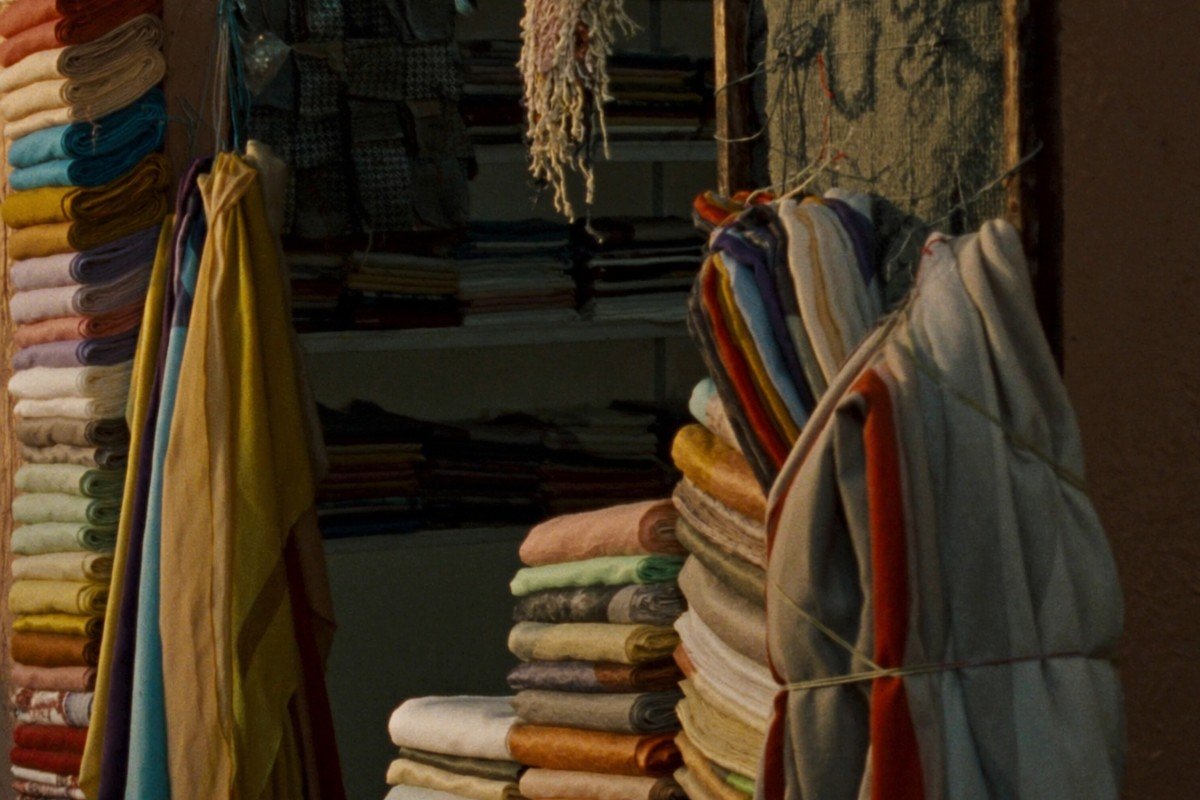
Pack one large light scarf and it becomes the Morocco multi-tool: around the shoulders when a neighborhood feels more conservative, over the head at a mosque, around your neck against the evening cool, over your face on a windy day in dusty terrain. Then accept that you will buy two or three more, because Moroccan scarves are beautiful, cost little, and solve gifts for everyone at home.
Does what I wear change from Marrakech to the Atlas Mountains?
Yes, but only by degree, and the same suitcase covers all of it. Marrakech and Casablanca are cosmopolitan, and the loose-and-covered rule simply puts you on the gracious end of the range there.
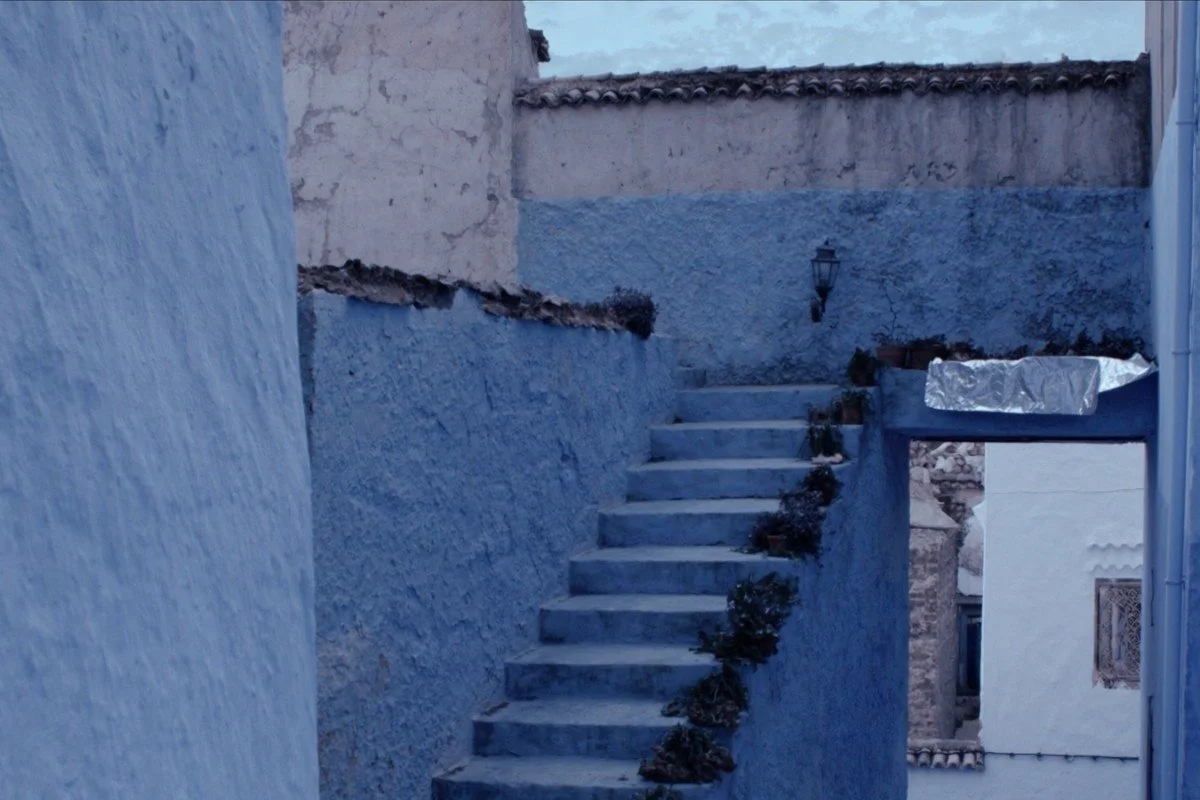
Fes runs more traditional, and in its ancient medina the fuller version of the rule serves you best. Chefchaouen, the blue town, is relaxed and touristic, so photograph in whatever you love. Rural areas, the Atlas Mountains and Berber villages are the most conservative, and that is where the long cardigan earns its keep. For evening in nicer city restaurants: the maxi dress, the scarf as a wrap, done. You will fit beautifully everywhere without repacking.
What shoes should I pack for Morocco?
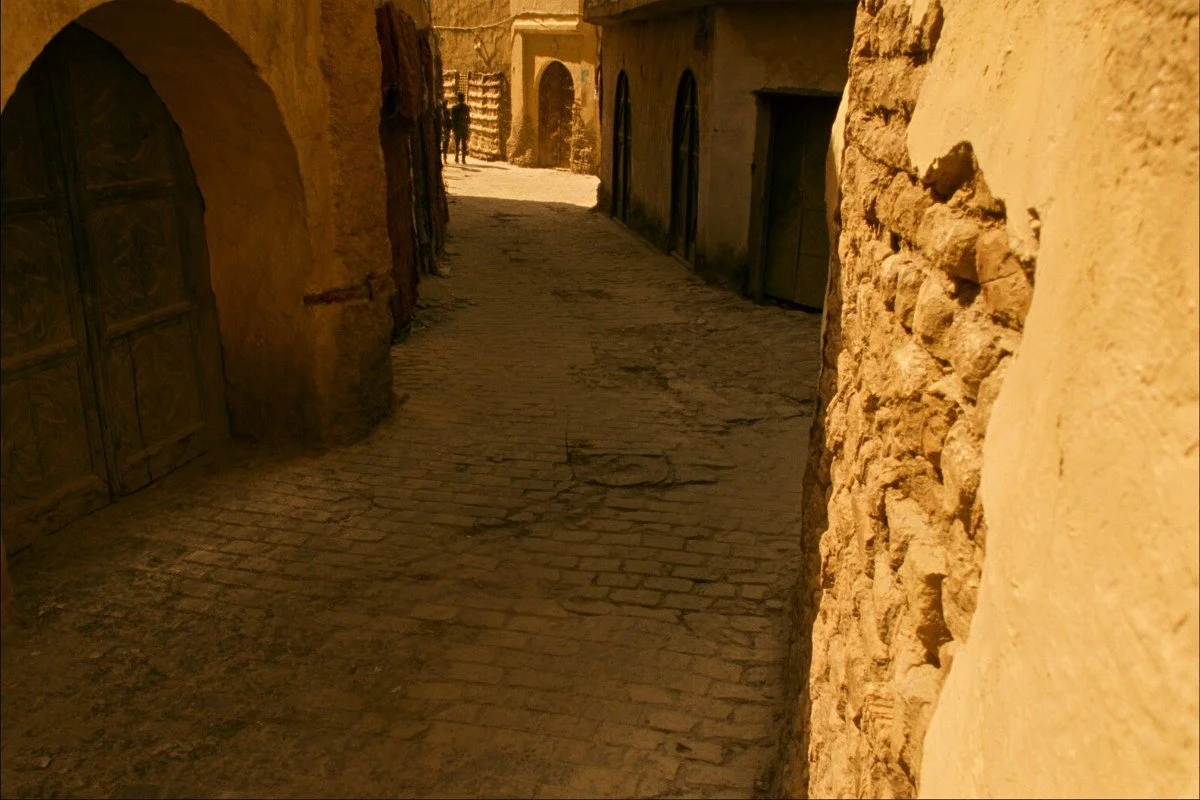
Supportive walking sandals or breathable sneakers by day, and leave the heels at home entirely. Medina lanes are cobbled, uneven, occasionally slick, and endlessly walkable in the right shoes, but there is no surface in the old cities that wants a heel.
A few other practicalities while you are at it. A crossbody bag that zips beats a shoulder bag in crowded souks. Sunglasses and a real sun hat are not optional. And bring a swimsuit, because riad courtyards hide lovely small pools, and the hammam, the traditional bathhouse built into our itinerary, is its own delight. Your spa instincts already know how to handle it.
What if I get it wrong?
Very little happens. You are a visitor, you will be read as one, and a bare shoulder in a souk is not an incident. Nobody is grading you, and the women you meet are far more interested in talking to you than in auditing your sleeves.
Which is the reframe worth packing. Dressing for Morocco is not a restriction to manage. It is the first act of meeting the place on its own terms, and the rewards are immediate: cooler afternoons, warmer welcomes, better conversations with the weavers and vendors and grandmothers you will meet, and photographs where you look like someone at home in the scene, because you are.
Our twelve-day Morocco journey runs Casablanca to Marrakech, with Chefchaouen and Fes in between, cooking, weaving cooperatives and the hammam built in, and a detailed packing list sent before departure so nothing here is left to guesswork. If Morocco is not your year, the rest of the roster is on our all trips page. Wardrobe worries, or any others, are exactly what the free call is for. Pack loose, pack light, leave room for scarves.
