
Is Egypt Safe for Travelers? What Our Groups Experience
Egypt sits at the top of more lifetime lists than almost any country, and it generates more nervous questions than almost any country. The pyramids have been marketed to you since childhood. So, unfortunately, have decades of alarming Middle East headlines, and the distance between those two impressions is where the question lives.
Here is our honest answer, drawn from taking groups there and from what travelers consistently report, including where the real friction is, because there is some, and it is not where the headlines point.
Is Egypt safe in the places tourists actually go?
Yes, on the whole. Violent crime against visitors on the main tourist corridors is genuinely rare, and the itinerary of a classic Egypt trip, Cairo and Giza, Luxor, Aswan and the Nile between them, runs through exactly those corridors.
The structural reason matters. Tourism is one of Egypt's most important industries, and protecting visitors is national policy, visibly so. Tourist sites, hotels and the routes between them operate with a security presence that first-time visitors often describe as more reassuring than anything they have seen elsewhere: checkpoints, tourist police at every major site, screening at hotels. Government travel advisories do carry sharp warnings about Egypt, but read them closely and those warnings cluster around specific border and desert regions that no tourist itinerary goes near. Applying them to the Nile Valley is like avoiding one state because of something happening in another. Read your own government's current advisory before you book, and read which regions it is actually talking about.
How bad is the hassle from vendors?
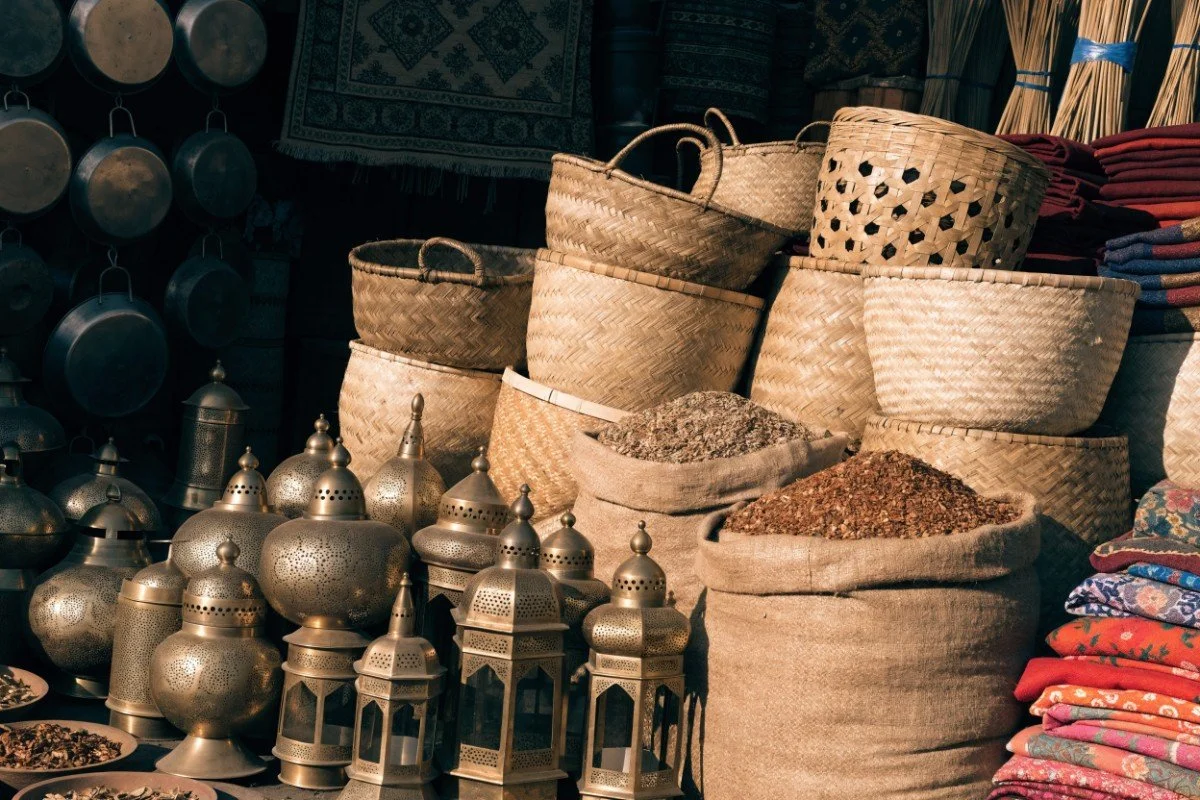
This is the honest answer nobody puts in the brochure: hassle is the real daily challenge of Egypt, not danger. Expect the relentless retail energy of tourist zones, and you will find it manageable.
Vendors who follow you. Gifts described as free that turn out not to be. A camel photo that acquires a price after the shutter clicks. Self-appointed guides materializing at your elbow. None of it is threatening and all of it is tiring, and knowing the difference between hassle and danger is most of the mental battle. Travelers who arrive expecting the noise tend to find it manageable, and eventually part of the theater.
Is Egypt safe for women travelers specifically?
The safety picture is the same. The hassle picture has an extra layer: unwanted attention that is persistent and verbal rather than threatening, and more of it than most Western women are used to.
The practical handling is unglamorous and it works: dark sunglasses, a firm la shukran, which is Arabic for no thank you, and forward motion. Do not engage, do not explain, keep walking. Dressing with shoulders and knees covered helps, both as cultural courtesy and as a way of attracting less of it. The women in our groups consistently report that the attention is wearing in the first day or two and barely registers by the end.
What does traveling with a group change?
More in Egypt than almost anywhere else we go, because a group deletes precisely the problem that Egypt actually has. The vendor gauntlet parts around a local guide handling it in Arabic with a fluency no phrasebook provides.
Transport is arranged, so the airport and station scenes that generate most tourist stress become someone else's job. Timing is arranged, so you are at the sites at the smart hours and in the neighborhoods at the right times of day. And nobody has to do the late-night arithmetic of a solo traveler, because you are never alone unless you want to be.
Our Egypt journeys add the layer no logistics can buy. They are hosted by Heba, for whom Egypt is home in the fullest sense, her childhood, her family and her identity, alongside local guides our travelers name in their reviews. Traveling Egypt as the guest of someone who belongs to it is a different category of experience from visiting it. Heba has written about her own Cairo if you want to hear it in her words.
What do travelers say when they get home?
The pattern is remarkably consistent, both from our groups and across traveler forums: the anxiety was front-loaded and the welcome was the surprise. Almost nobody comes home talking about security.
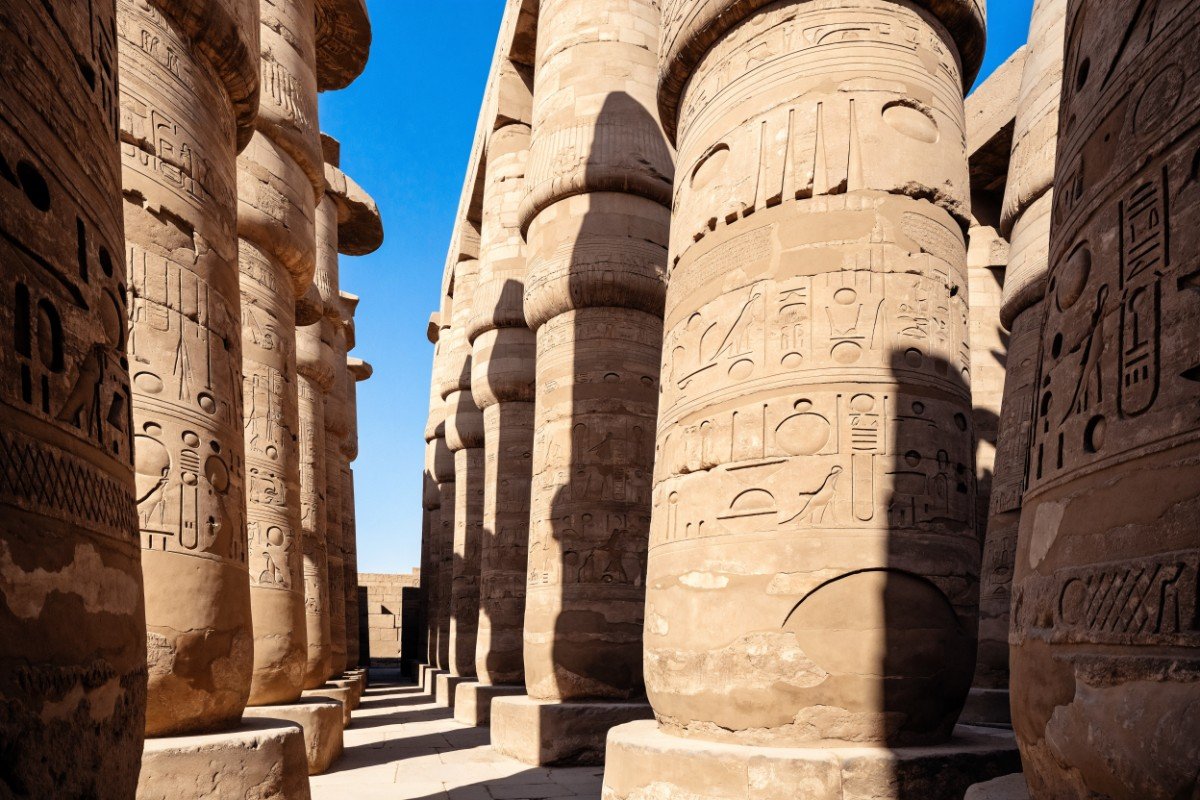
Egyptians are famously, genuinely hospitable, proud of their country and delighted that you came. The abiding memories are not checkpoints. They are tea poured by a shopkeeper with nothing to sell you, children practicing their English, a crew singing on a felucca at sunset, and the moment the pyramids stop being an image and become a place where you are standing.
So should you go?
On the tourist corridors, with sensible habits, yes. With a hosted small group, comfortably so. The realistic cost of admission is some hassle, most of it absorbed by your guides, and some patience at security screenings that exist for your benefit.
Weigh that against what is on the other side of the scale: the last surviving wonder of the ancient world, and a river journey people have dreamed about for as long as dreaming about travel has existed. Our Egypt journey runs September 28 to October 10, 2027, with the Nile cruise and the Red Sea, and booking closes July 7, 2027. When you are ready to ask your specific questions, including the ones you feel silly asking, that is exactly what the free call is for. The pyramids have waited 4,500 years. They will wait for your questions.
